
Have you ever picked up a necklace or ring, turned it over, and spotted those tiny numbers etched inside: 925? I remember the first time I noticed it on my grandmother’s old bracelet. She wore it every day, and when I asked her about it, she smiled and said it was a sign of something real and lasting. That moment stuck with me, sparking my curiosity about what these markings really tell us. If you’ve wondered the same—what does 925 mean on jewelry—you’re not alone. It’s a question many people ask when they’re shopping for pieces that feel special but don’t break the bank.
In this post, we’ll break it all down, from the basics to why it makes a difference in your collection. I’ll share some stories from my own life and tips that have helped me avoid disappointments, so you can feel confident next time you’re eyeing that shiny find.
Understanding the Basics: What Does 925 Mean on Jewelry?
Let’s start with the simple answer to what does 925 mean on jewelry. That 925 is a hallmark, a stamp that indicates the piece is made from sterling silver. Specifically, it means the metal is 92.5% pure silver, with the remaining 7.5% being other metals, often copper, to add strength. It’s not just any silver; it’s a standard that jewelers use worldwide to promise quality.
You might see variations like “925 on jewelry” or question what does 925 stamped on jewelry mean. It’s the same idea—the stamp is a guarantee of composition. For example, what does the number 925 on jewelry mean? It’s telling you the purity level in parts per thousand. Pure silver would be 1000, but that’s too soft for everyday wear, so 925 strikes a balance.
I once bought a pair of earrings without checking for this mark, and they tarnished so fast it was heartbreaking. Now, I always look for it. What does 925 mark on jewelry mean in practical terms? It means you’re getting something durable yet beautiful, not a cheap imitation that will fade or irritate your skin.

This stamp isn’t random; it’s regulated in many countries to protect buyers. In the US, for instance, the Federal Trade Commission requires accurate labeling for silver content. So, when you see 925, you know it’s legitimate sterling silver.
But why does this matter to you? If you’re like me, you want jewelry that lasts through daily life—work, errands, even a quick workout—without losing its charm. Sterling silver does that, and the 925 mark is your assurance.
The History Behind the 925 Stamp: A Tale of Kings and Coins
The story of what does 925 mean on jewelry goes back centuries, and it’s fascinating how it ties into everyday items like coins. Back in the 12th century, in what is now northern Germany, silver alloys were used for trade. But the real push came from England.
King Henry II, in 1158, decided to mint coins from a less pure silver to make them more practical—exactly 92.5% silver. These became known as “sterling” coins, possibly named after the Easterling traders who brought high-quality silver to England. By 1300, King Edward I made it law: all silver items had to meet this 925 standard and be assayed, or tested, for purity.
Imagine holding one of those ancient coins—it’s the same standard we use today for jewelry. What does 925 on jewelry mean in this context? It’s a link to history, ensuring fairness in trade just like back then.

I think about this when I wear my sterling silver necklace; it’s like carrying a piece of that legacy. Over time, this standard spread across Europe and beyond, becoming the go-to for quality silver jewelry. In France, by the 14th century, they were using the 925 mark explicitly. Today, it’s global, but the roots remind us why purity matters—it’s about trust.
If you’ve ever inherited a family heirloom marked 925, you might feel that connection too. My aunt passed down a locket from the 1920s, stamped 925, and it’s still as elegant as ever. Stories like these show how the mark isn’t just technical; it’s emotional.
Why 92.5%? The Science and Practicality of Sterling Silver
So, what does 925 mean on jewelry in terms of science? Pure silver, or fine silver (999), is beautiful but too malleable—it bends and scratches easily. Adding 7.5% copper hardens it without dulling the shine.
Copper brings durability, making the jewelry resistant to wear. What does 925 stamped on jewelry mean for daily use? It means your ring won’t dent the first time you bump it, and your bracelet can handle life’s bumps.
But it’s not just about strength. Sterling silver has antimicrobial properties thanks to silver ions, which can help reduce bacteria on the skin. Some people even claim it helps with body temperature regulation, though that’s more anecdotal.
I switched to 925 pieces after dealing with allergic reactions to cheaper metals. What does the number 925 on jewelry mean for sensitive skin? It’s often hypoallergenic, as long as the alloy avoids nickel. That was a game-changer for me—no more red ears from earrings.
Compared to other purities, like 800 silver (80% pure, common in some countries), 925 offers better luster and value. Higher than 925, like 950, is rarer and pricier, but 925 hits the sweet spot for most.
How to Identify Genuine 925 Jewelry: Tips from Experience
Now, let’s talk about spotting the real deal, because fakes are out there. What does 925 mark on jewelry mean if it’s counterfeit? Unfortunately, stamps can be faked, so you need more checks.
First, look for the stamp—925, STER, or STERLING—in a discreet spot like the clasp or inside a ring. But don’t stop there.
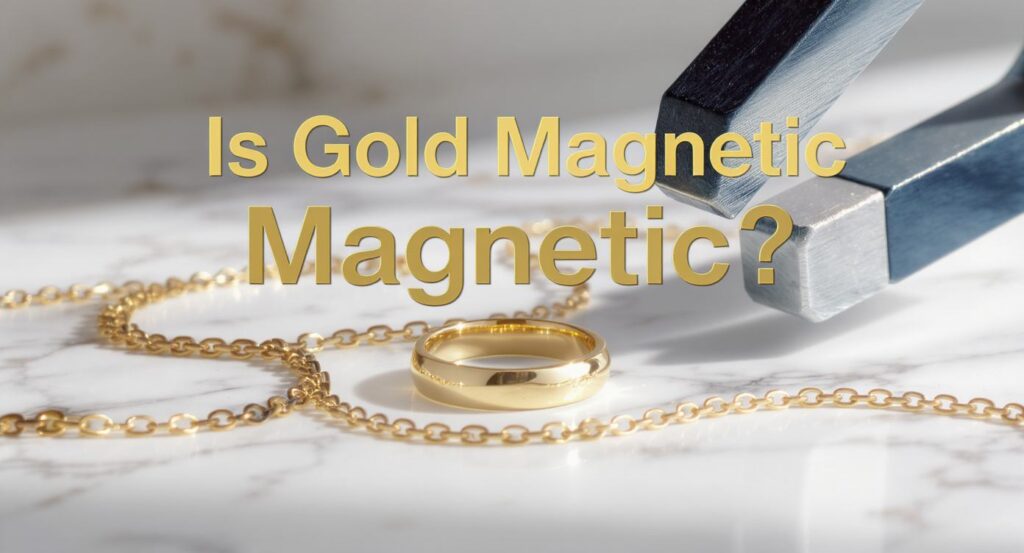
The magnet test: Real silver isn’t magnetic, so if it sticks to a magnet, it’s likely not genuine. I tried this on a suspicious chain once, and sure enough, it clung—straight to the trash.
Another: The ice test. Place ice on the jewelry; silver conducts heat well, so it melts fast.
Listen for the sound—tap it gently; real sterling has a clear ring.
For pros, a nitric acid test turns fake silver green, but that’s best left to jewelers.
Smell it too—no strong metallic odor means it’s likely pure. And check for tarnish; real silver oxidizes over time.
I learned these the hard way after buying a “bargain” bracelet that turned my wrist green. Now, I always test, and it saves me regret.
The Value of 925 Jewelry: Why It’s Worth Your Investment
What does 925 on jewelry mean for its worth? It’s valuable, but not just in dollars—it’s about longevity and style.
Sterling silver is affordable compared to gold or platinum, yet it looks luxurious. A 925 necklace might cost $50, while gold could be hundreds.
But value depends on weight, craftsmanship, and gems. Vintage 925 pieces can appreciate, especially from known makers.
Why it matters: It’s versatile—pairs with casual jeans or evening wear. I have a 925 ring I wear everywhere; it’s my go-to.
It’s eco-friendly too, as silver is recyclable. And for health, some believe it balances emotions, linked to the moon in astrology.
Cons? It tarnishes, but that’s fixable. Overall, 925 offers bang for your buck.


Caring for Your 925 Pieces: Keeping the Shine Alive
To make your 925 jewelry last, proper care is key. What does 925 mean on jewelry if it dulls? Tarnish happens from air and sulfur, but you can prevent it.
Store in anti-tarnish bags or with chalk to absorb moisture. Avoid water, perfume, and lotions—take off before swimming or showering.
Clean with mild soap and a soft cloth; for tough tarnish, use a polishing cloth or baking soda paste.
I polish my pieces monthly, and they look new. Wearing them often helps too—the oils from your skin keep them shiny.
If it’s gold-plated 925, be gentle to avoid wearing off the layer.
Common Myths and Misconceptions About 925 Jewelry
Let’s clear up some confusion. Myth one: 925 causes allergies. Not true—it’s hypoallergenic for most.
Myth two: Tarnish means it’s fake. Actually, tarnish proves it’s real silver.
Myth three: It’s low quality. No, 925 is the standard for fine silver jewelry.
Myth four: Stamps guarantee authenticity. Fakes exist, so test further.
Myth five: It can’t get wet. Water alone is fine, but chlorine and salt aren’t.
I believed some of these until I researched. Knowing the truth helps you appreciate 925 more.
Personal Anecdotes: My Journey with 925 Jewelry
Sharing a bit more personally, my first 925 piece was a pendant from a trip to Italy—marked “925 Italy,” which means it’s sterling made there. It reminds me of sunny streets and gelato.
Another time, I gifted my best friend a 925 bracelet for her birthday. She was worried about tarnish, but after I showed her care tips, she wears it daily. It’s those moments that make jewelry meaningful.
If you’re hesitant about buying 925, think about how it fits your life. For me, it’s about pieces that tell stories, not just sparkle.
Why Understanding 925 Makes a Difference
So, what does 925 mean on jewelry? It’s your key to quality, history, and value in one tiny stamp. Whether you’re asking what does 925 on jewelry mean or pondering its stamp, remember it’s about trust and durability.
By choosing 925, you’re investing in something that endures, just like the memories you attach to it. Next time you shop, check for that mark—it could lead to your new favorite piece.