
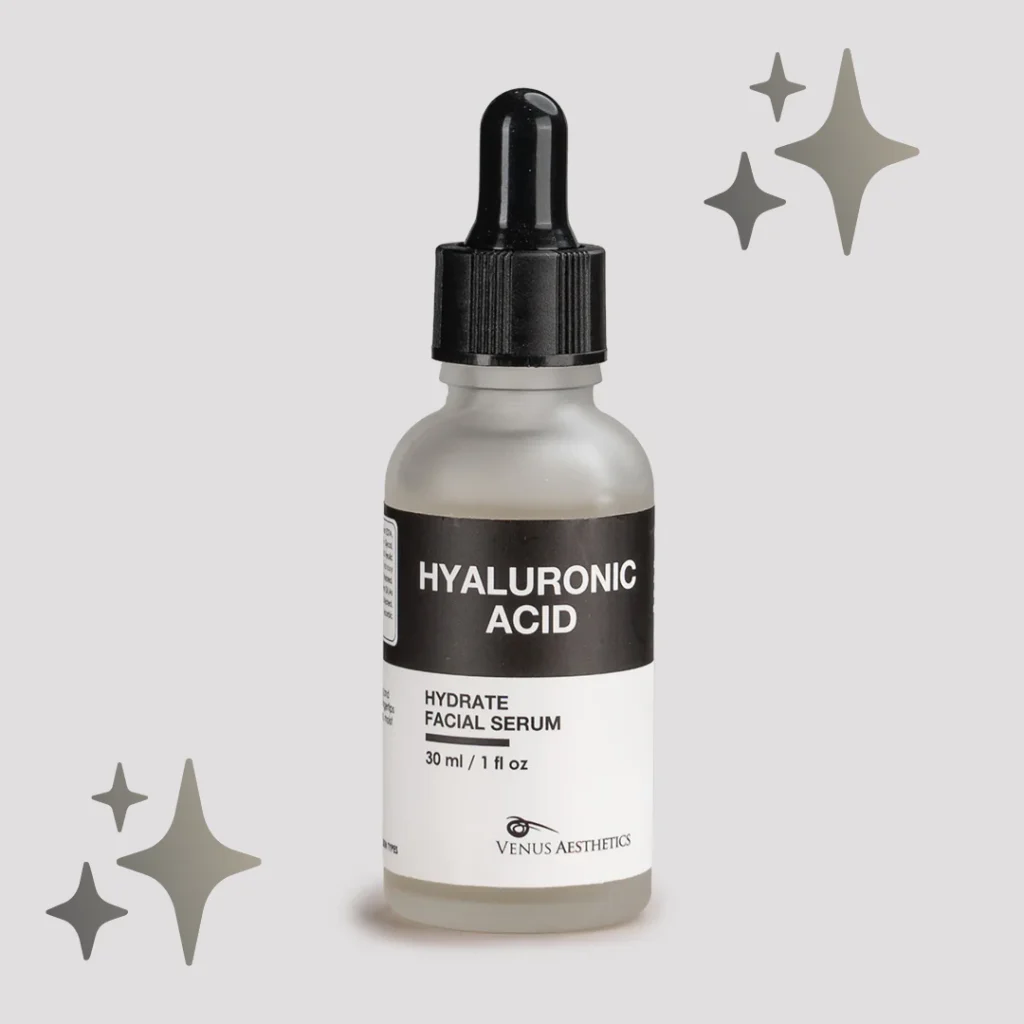
Hyaluronic acid is one of the most popular and dermatologist-recommended skincare ingredients for maintaining healthy, hydrated skin. Known for its incredible ability to attract and retain moisture, hyaluronic acid helps keep the skin soft, smooth, and plump without feeling greasy. It is suitable for almost every skin type, including dry, oily, combination, sensitive, and mature skin. Whether you’re dealing with dehydration, fine lines, or dullness, adding hyaluronic acid to your skincare routine can make a noticeable difference. In this guide, you’ll learn what hyaluronic acid is, how it works, its benefits, how to use it properly, and the best ingredients to pair it with.
Table of Contents
ToggleWhat Is Hyaluronic Acid?
Hyaluronic acid is a naturally occurring substance found in the skin, eyes, and connective tissues. Its primary function is to retain moisture and keep tissues well-lubricated.
One molecule of hyaluronic acid can hold up to 1,000 times its weight in water, making it one of the most effective hydrating ingredients in skincare.
As we age, the natural amount of hyaluronic acid in our skin decreases, leading to dryness, fine lines, and loss of elasticity. Using skincare products containing hyaluronic acid helps restore moisture and improve skin health.
How Does Hyaluronic Acid Work?
Hyaluronic acid acts as a powerful humectant, drawing moisture into the skin and helping it stay hydrated.
It works by:
- Attracting water from the environment.
- Locking moisture into the skin.
- Strengthening the skin’s protective barrier.
- Making the skin feel soft, smooth, and plump.
- Reducing moisture loss throughout the day.
With regular use, hyaluronic acid leaves the skin healthier, fresher, and more radiant without creating an oily feeling.
Benefits of Hyaluronic Acid
Hyaluronic acid offers numerous skincare benefits.
1. Deeply Hydrates the Skin
It provides long-lasting hydration and relieves dryness.
2. Reduces the Appearance of Fine Lines
Well-hydrated skin looks smoother and more youthful.
3. Strengthens the Skin Barrier
It helps protect the skin from environmental damage and moisture loss.
4. Suitable for All Skin Types
It works well for dry, oily, combination, sensitive, and mature skin.
5. Improves Skin Texture
Regular use makes the skin feel softer, smoother, and healthier.
6. Enhances Other Skincare Products
Hydrated skin absorbs serums and moisturizers more effectively.
Who Should Use Hyaluronic Acid?
Almost everyone can benefit from using hyaluronic acid.
It is especially recommended for people with:
- Dry skin
- Dehydrated skin
- Sensitive skin
- Mature skin
- Oily skin needing hydration
- Combination skin
- Dull or tired-looking skin
Because it is lightweight and non-comedogenic, hyaluronic acid does not clog pores.
How to Use Hyaluronic Acid Correctly
For the best results, follow these simple steps.
Step 1 – Cleanse Your Face
Wash your face using a gentle cleanser suitable for your skin type.
Step 2 – Apply to Damp Skin
Apply hyaluronic acid while your skin is still slightly damp to maximize hydration.
Step 3 – Use a Small Amount
A few drops are enough to cover your entire face.
Step 4 – Follow with Moisturizer
Seal in hydration by applying a moisturizer immediately afterward.
Step 5 – Finish with Sunscreen (Morning Routine)
If you’re using hyaluronic acid during the day, always apply sunscreen as the final step.
Best Ingredients to Pair with Hyaluronic Acid
Hyaluronic acid works well alongside many skincare ingredients.
Some excellent combinations include:
Vitamin C
Brightens the skin while hyaluronic acid provides hydration.
Niacinamide
Helps improve skin texture, reduce oiliness, and strengthen the skin barrier.
Ceramides
Repair the skin barrier and prevent moisture loss.
Peptides
Support firmer, healthier-looking skin.
Retinol
Reduces signs of aging while hyaluronic acid helps minimize dryness caused by retinol.
Can Oily Skin Use Hyaluronic Acid?
Yes. Hyaluronic acid is highly recommended for oily skin.
Many people believe oily skin doesn’t need hydration, but dehydrated skin often produces even more oil to compensate.
Hyaluronic acid delivers lightweight hydration without making the skin greasy, helping balance oil production.
Common Mistakes to Avoid
Avoid these common mistakes when using hyaluronic acid:
- Applying it to completely dry skin
- Skipping moisturizer afterward
- Using excessive amounts
- Expecting overnight results
- Forgetting to wear sunscreen during the day
Consistency is the key to seeing visible improvements.
Are There Any Side Effects?
Hyaluronic acid is generally considered safe for most skin types.
However, some individuals may experience mild irritation, especially when trying a new product.
If irritation occurs:
- Stop using the product temporarily.
- Simplify your skincare routine.
- Consult a dermatologist if symptoms continue.
- Always perform a patch test before full application.
Tips for Choosing the Best Hyaluronic Acid Product
When buying a hyaluronic acid serum or moisturizer, look for:
- Fragrance-free formulas (especially for sensitive skin)
- Dermatologist-tested products
- Non-comedogenic formulas
- Alcohol-free products
- Products designed for your specific skin type
Many modern serums combine hyaluronic acid with ceramides, niacinamide, or peptides for even better hydration.
Frequently Asked Questions (FAQs)
1. What is hyaluronic acid used for?
Hyaluronic acid is mainly used to hydrate the skin, improve elasticity, and reduce the appearance of fine lines.
2. Can I use hyaluronic acid every day?
Yes. Hyaluronic acid is gentle enough for both morning and evening use.
3. Is hyaluronic acid suitable for oily skin?
Yes. It hydrates oily skin without clogging pores or making the skin greasy.
4. Should I apply hyaluronic acid before moisturizer?
Yes. Apply it to slightly damp skin first, then lock in the hydration with moisturizer.
5. Does hyaluronic acid have side effects?
Hyaluronic acid is generally safe, although a small number of people may experience mild irritation. Patch testing new products is always recommended.
Conclusion
Hyaluronic acid is one of the most effective skincare ingredients for achieving healthy, hydrated, and youthful-looking skin. Its ability to attract and retain moisture makes it suitable for every skin type, from dry and sensitive to oily and combination skin. By using hyaluronic acid consistently and pairing it with complementary ingredients like vitamin C, niacinamide, and ceramides, you can improve your skin’s hydration, texture, and overall appearance. Whether you’re just beginning your skincare journey or upgrading your routine, hyaluronic acid is a must-have ingredient for maintaining soft, smooth, and glowing skin.