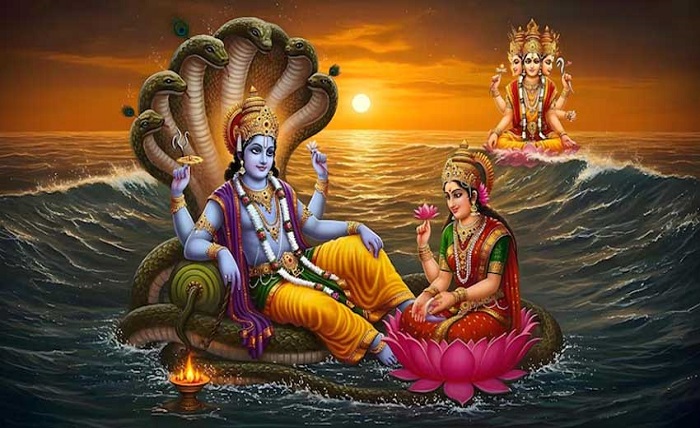
If you are searching for gyaras kab hai, you are not alone. Every month, millions of devotees look for the correct Gyaras date to observe the sacred Ekadashi fast. Gyaras, also known as Ekadashi, falls on the eleventh day of both the Shukla Paksha and Krishna Paksha in the Hindu lunar calendar. This means there are generally 24 Gyaras dates in a year, while an extra month (Adhik Maas) may increase the total to 26.
Knowing gyaras kab hai is important because the fasting date depends on the lunar calendar rather than the Gregorian calendar. Devotees worship Lord Vishnu, observe strict fasting, chant holy mantras, and spend the day in spiritual activities. The exact timing of Gyaras also depends on the Ekadashi Tithi, making it essential to check the Hindu Panchang before observing the fast.
What Is Gyaras and Why Is It Celebrated?
When people ask gyaras kab hai, they are often interested in understanding its religious importance as well. Gyaras is another popular name for Ekadashi in many regions of India. It is considered one of the holiest fasting days in Hinduism and is dedicated to Lord Vishnu.
According to Hindu scriptures, observing the Ekadashi fast helps devotees purify their minds and souls. It is believed that fasting on Gyaras removes sins, improves spiritual discipline, and brings peace, prosperity, and good fortune.
Many devotees avoid grains, rice, lentils, and certain vegetables during the fast. Instead, they consume fruits, milk, nuts, and foods prepared from fasting-friendly ingredients like buckwheat flour and water chestnut flour.
The reason so many people search gyaras kab hai every month is because each Ekadashi has its own unique significance, stories, and rituals.
Gyaras Kab Hai in 2026? Monthly Ekadashi Calendar
Those looking for gyaras kab hai should remember that every lunar month has two Ekadashi dates:
- Krishna Paksha Ekadashi
- Shukla Paksha Ekadashi
Some of the major Ekadashi fasts observed throughout the year include:
- Putrada Ekadashi
- Shattila Ekadashi
- Jaya Ekadashi
- Vijaya Ekadashi
- Amalaki Ekadashi
- Papmochani Ekadashi
- Kamada Ekadashi
- Varuthini Ekadashi
- Mohini Ekadashi
- Apara Ekadashi
- Nirjala Ekadashi
- Yogini Ekadashi
- Devshayani Ekadashi
- Kamika Ekadashi
- Putrada Ekadashi (Shravana)
- Aja Ekadashi
- Parsva Ekadashi
- Indira Ekadashi
- Papankusha Ekadashi
- Rama Ekadashi
- Devutthana Ekadashi
- Utpanna Ekadashi
- Mokshada Ekadashi
- Saphala Ekadashi
If your question is specifically gyaras kab hai, always verify the exact Ekadashi Tithi according to your city because sunrise and moon timings can slightly differ.
How to Observe the Gyaras Fast Properly
Whenever devotees search gyaras kab hai, they also want to know the proper fasting method. The observance begins with an early morning bath followed by prayers to Lord Vishnu.
The traditional fasting procedure includes:
- Wake up before sunrise.
- Take a holy bath.
- Wear clean clothes.
- Offer flowers, Tulsi leaves, fruits, and incense to Lord Vishnu.
- Chant Vishnu Sahasranama or “Om Namo Bhagavate Vasudevaya.”
- Avoid anger, lies, and negative thoughts.
- Consume only fasting-approved foods if observing a partial fast.
- Stay awake during the night if possible while singing devotional hymns.
- Break the fast on Dwadashi at the prescribed Parana time.
Knowing gyaras kab hai helps devotees prepare in advance and observe all rituals according to tradition.
Spiritual and Health Benefits of Observing Gyaras
The question gyaras kab hai is closely connected with the belief that Ekadashi fasting offers both spiritual and physical benefits.
Spiritually, devotees believe the fast helps reduce negative karma and strengthens devotion to Lord Vishnu. Many scriptures mention that sincere observance leads to peace of mind, inner purification, and spiritual progress.
From a health perspective, intermittent fasting gives the digestive system a break. Many people report feeling lighter and more energetic after observing Gyaras. Fruits, milk, and nuts provide essential nutrients while reducing the digestive workload. However, people with medical conditions should consult their healthcare provider before fasting.
Regular devotees often search gyaras kab hai every month so they can maintain this spiritual and healthy routine consistently.
Important Rules to Follow During Gyaras
People asking gyaras kab hai should also understand the traditional rules associated with the fast. These customs vary slightly across regions but generally include similar practices.
Important rules include:
- Avoid eating grains and rice.
- Refrain from consuming onion and garlic.
- Maintain cleanliness throughout the day.
- Worship Lord Vishnu sincerely.
- Donate food, clothes, or money to those in need.
- Read Bhagavad Gita or Vishnu-related scriptures.
- Avoid arguments and negative behavior.
- Observe the Parana timing correctly on Dwadashi.
Following these rules with devotion is considered more important than simply abstaining from food. That is why knowing gyaras kab hai allows devotees to prepare mentally and spiritually.
Why Do Millions Search “Gyaras Kab Hai” Every Month?
The phrase gyaras kab hai trends regularly because Ekadashi dates change according to the lunar calendar rather than fixed calendar dates. Devotees, temple committees, and families all need the correct date for planning prayers and fasting.
Different regions may refer to Ekadashi as Gyaras, Agiyaras, or Gyaras Vrat, but the religious significance remains the same. The increasing availability of digital Panchangs has made it easier to find accurate dates, fasting timings, Parana schedules, and regional variations.
Whether someone is observing the fast for spiritual growth, family traditions, or religious devotion, searching gyaras kab hai ensures they celebrate the occasion on the correct day according to Hindu traditions.
Conclusion
If you have been wondering gyaras kab hai, the answer depends on the Hindu lunar calendar, as Ekadashi occurs twice every month. Gyaras is one of the most sacred fasting days dedicated to Lord Vishnu and holds immense religious importance for millions of devotees. By knowing gyaras kab hai in advance, you can prepare for fasting, worship, charity, and spiritual practices in the proper manner. Always refer to your local Panchang for the exact Ekadashi Tithi and Parana timing to ensure the fast is observed correctly.
FAQs
1. Gyaras kab hai every month?
Gyaras kab hai depends on the Ekadashi Tithi of the Hindu lunar calendar, and it usually occurs twice every month.
2. Is Gyaras and Ekadashi the same?
Yes. Gyaras kab hai and Ekadashi refer to the same sacred Hindu fasting day dedicated to Lord Vishnu.
3. Can I drink water during Gyaras fast?
Yes, most devotees observe a water-based or fruit-based fast. Only Nirjala Ekadashi traditionally involves fasting without water.
4. What should not be eaten on Gyaras?
When observing gyaras kab hai, devotees usually avoid grains, rice, lentils, onion, garlic, and non-vegetarian food.
5. Why is Gyaras considered important?
People search gyaras kab hai because fasting on Ekadashi is believed to remove sins, bring prosperity, strengthen devotion to Lord Vishnu, and promote spiritual growth.