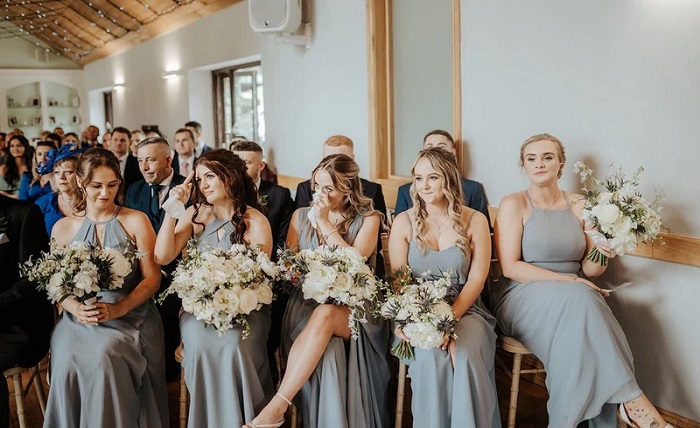
Floral planning works best when the process follows a clear structure. Defined steps reduce guesswork and help decisions stay organized. A smooth experience often depends on accurate details, realistic timelines, and dependable coordination. Knowing what to check at each stage helps reduce avoidable stress.
Clear Consultation Framework
A structured intake process sets expectations early. Flowers for Weddings usually start with questions about venue size, table count, ceremony layout, and event timing. Precise details allow designers to estimate stem volume and arrangement scale correctly. This reduces the risk of quantity errors.
Visual references add clarity beyond color names. Attire photos, décor samples, and inspiration images show texture and overall tone. Designers use these cues to assess proportion and style direction. Specific input helps refine early design ideas.
Itemized Floral Scope
A smooth process includes a detailed item list rather than broad descriptions. Each bouquet, table piece, and accent should carry a defined count and style note. This clarity limits confusion about what is included. Written scope aids accountability.
Proposal Components That Matter
Strong proposals often outline practical elements such as:
- Exact number of personal bouquets and boutonnieres
- Centerpiece count based on confirmed table layout
- Ceremony installations and their approximate dimensions
- Substitute bloom guidelines if supply changes
These points help set realistic expectations. A clear scope may help improve trust in the plan. Defined details also reduce last-minute assumptions.
Verified Schedule and Access Details
Timing affects floral condition on arrival. Delivery windows should match venue access rules and setup duration. Early arrival allows proper placement and minor adjustments. Clear timing prevents rushed installation.
Coordination with other vendors also shapes event flow. Set up should align with catering, décor, and venue staff schedules. Shared timelines support efficient use of space. Organized scheduling may help improve overall execution.
Transport and Handling Standards
Transport conditions influence stem quality at arrival. Protective packaging helps preserve petal shape, stem strength, and overall structure. Proper support during transit reduces the chance of bent stems or bruised blooms. Temperature control inside delivery vehicles supports freshness and helps maintain visual appeal.
On-site setup procedures also require careful planning. Teams benefit from clear placement plans before arrival at the venue. Labeled arrangements support accurate positioning in ceremony and reception areas. Organized logistics reduce setup delays and help maintain arrangement integrity.
Defined Revision and Approval Process
A clear revision system helps refine design details before anything is finalized. Draft proposals should include room for feedback on color, bloom type, and arrangement size. This step allows practical adjustments without disrupting timelines. Written confirmations ensure shared understanding of agreed selections.
Final approvals should include a full item list and a schedule review. Confirmed details reduce confusion as the event date approaches. Clear checkpoints help keep responsibilities and timing aligned. Steady communication throughout this phase supports accuracy and coordination.
A smooth floral experience relies on structure, clarity, and dependable coordination. Flowers for Weddings planned through detailed consultation, an itemized scope, and confirmed logistics often move forward with fewer complications. Defined steps reduce uncertainty at every stage. A strong organization allows design and delivery to align naturally.